
Unity Hong Kong Fund: Welcome Hong Kong Exchanges and Clearing Limited's plan to shorten the stock market settlement cycle to "T+1" next year.

2026-04-17 18:46

This not only enables Hong Kong to play a leading role in the Asian market, but also further consolidates Hong Kong's competitive advantage and attractiveness as an international financial center.
Shui Zhiwei, Vice President and Executive Director of the Public Policy Research Institute of the United Hong Kong Foundation, expressed his welcome to the Hong Kong Stock Exchange's plan to shorten the settlement cycle of the stock market to "T+1" by 2027. He pointed out that with the implementation of T+1 settlement in the US market, and the active promotion of related transitions in the European Union, Hong Kong's timely alignment with international standards will enhance the efficiency of fund circulation. This not only allows Hong Kong to play a leading role in the Asian market, but also further consolidates Hong Kong's competitiveness and attractiveness as an international financial center.
He emphasized that shortening the settlement cycle needs to take into account the actual operating environment in Hong Kong. Due to the time difference, the cut-off time for settlement in Hong Kong falls in the early morning in Europe and the United States, which means that overseas investors must complete foreign exchange and fund transfers within their local "T+0" business hours. Therefore, Hong Kong can gradually proceed, starting with the clarification of the actual operation of "T+1" to avoid causing unmanageable impact on the industry.
In order to ensure the smooth implementation of the reform and effectively control risks, Shui Zhiwei suggested strengthening cross-time zone liquidity and foreign exchange support, encouraging banks and securities firms to provide more flexible financing, foreign exchange, and settlement arrangements for international investors to relieve the pressure on fund turnover under "T+1". Secondly, in response to the capacity of small and medium-sized intermediaries, regulatory authorities should strengthen supervision of their fund flows and settlement error risks, and proactively establish stress tests and contingency plans. Next, after the smooth operation of the "T+1" arrangement in the stock secondary market, other areas such as whether there is room for further optimization of the settlement process in the primary market (IPO) will be considered.


RECOMMEND

Advanced investment education | FATCA & CRS leading global tax transparency, who is most affected?
04/08/2025

34 年股市老兵“曾阿牛”:跑赢纳指 110%仍不满足!从第一代股评家到对冲基金管理人的经历
14/06/2025
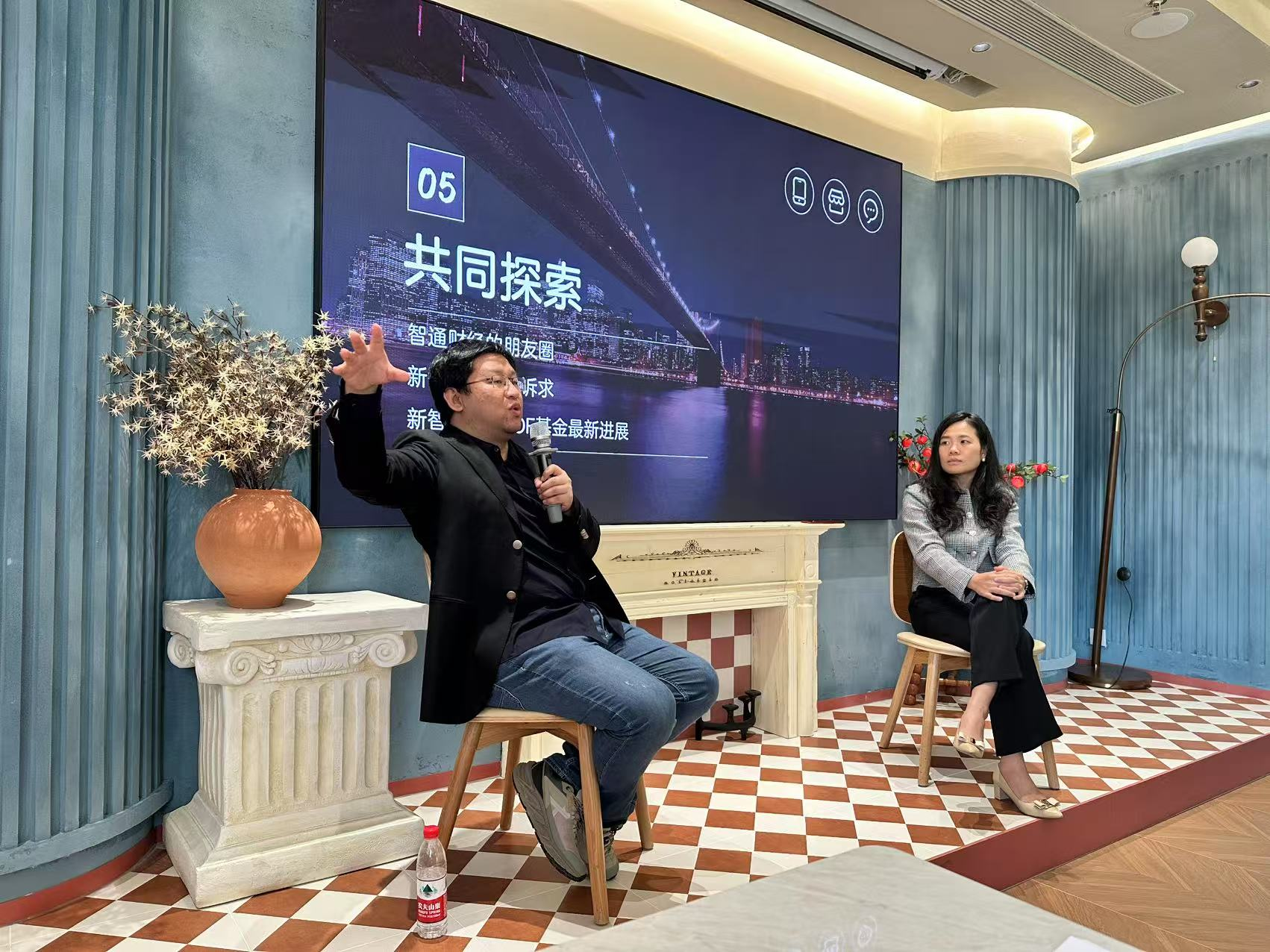
The first closed door meeting of the New Intelligence Roundtable Faction and the US Dollar Foundation was successfully held in Shanghai
01/05/2025

Add the WeCom
 (Mainland) +86 13918483280(Hong Kong) 852-5606 7965
 marketing@inbfund.com
©️2013 - 2026 New Intelligence Future Technology Limited. All Rights Reserved

Customer Service

Add the WeCom